
Zanzibar Beach
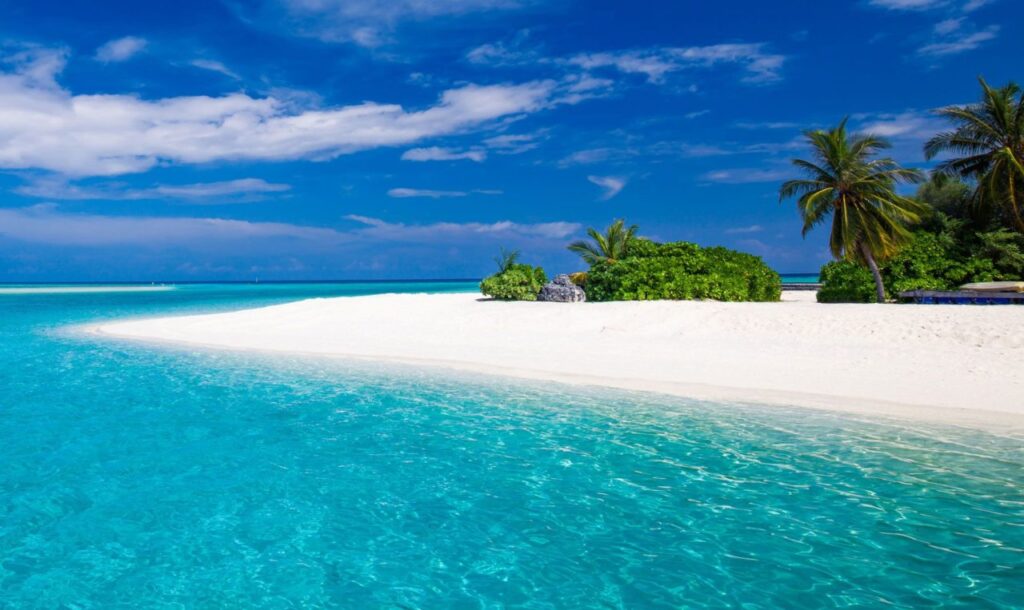
Overview Zanzibar Beach is a world-renowned tropical beach destination, celebrated for its powder-white sands, crystal-clear turquoise waters, and relaxed island atmosphere. Located on the Indian Ocean, Zanzibar offers the perfect balance of beach relaxation, cultural heritage, and marine experiences, making it an ideal extension to a safari in mainland Tanzania or a stand-alone beach holiday. Location Zanzibar is an archipelago off the east coast of Tanzania, approximately 25 kilometers from the mainland, and consists of several islands, with Unguja (commonly referred to as Zanzibar Island) being the largest and most visited. The island is easily accessible by short flights or ferry services from Dar es Salaam and other major East African hubs. Beach Areas and Coastline Zanzibar boasts a diverse coastline, with each beach offering a unique character. The east coast is known for its long, tranquil beaches such as Nungwi, Kendwa, Paje, Jambiani, and Matemwe, featuring shallow lagoons and stunning tidal changes. The north coast, particularly Nungwi and Kendwa, is famous for its calm waters and minimal tidal variation, ideal for swimming throughout the day. Marine Life and Environment The surrounding coral reefs support rich marine biodiversity, making Zanzibar a popular destination for snorkeling and diving. Visitors can encounter colorful tropical fish, coral gardens, sea turtles, and dolphins in designated areas. The warm Indian Ocean waters provide excellent conditions for marine activities year-round. Activities Zanzibar Beach offers a wide range of leisure and adventure activities, including swimming, sunbathing, snorkeling, scuba diving, dhow cruises, deep-sea fishing, kite surfing, and spa and wellness experiences. Cultural excursions such as Stone Town tours, spice farm visits, and Jozani Forest excursions complement beach relaxation. Best Time to Visit Zanzibar is a year-round destination. The best beach conditions are typically from June to October and December to February, when the weather is dry and sunny. Short rains occur in November, while longer rains are experienced from March to May, though this period offers lush scenery and fewer visitors.
Arusha National Park
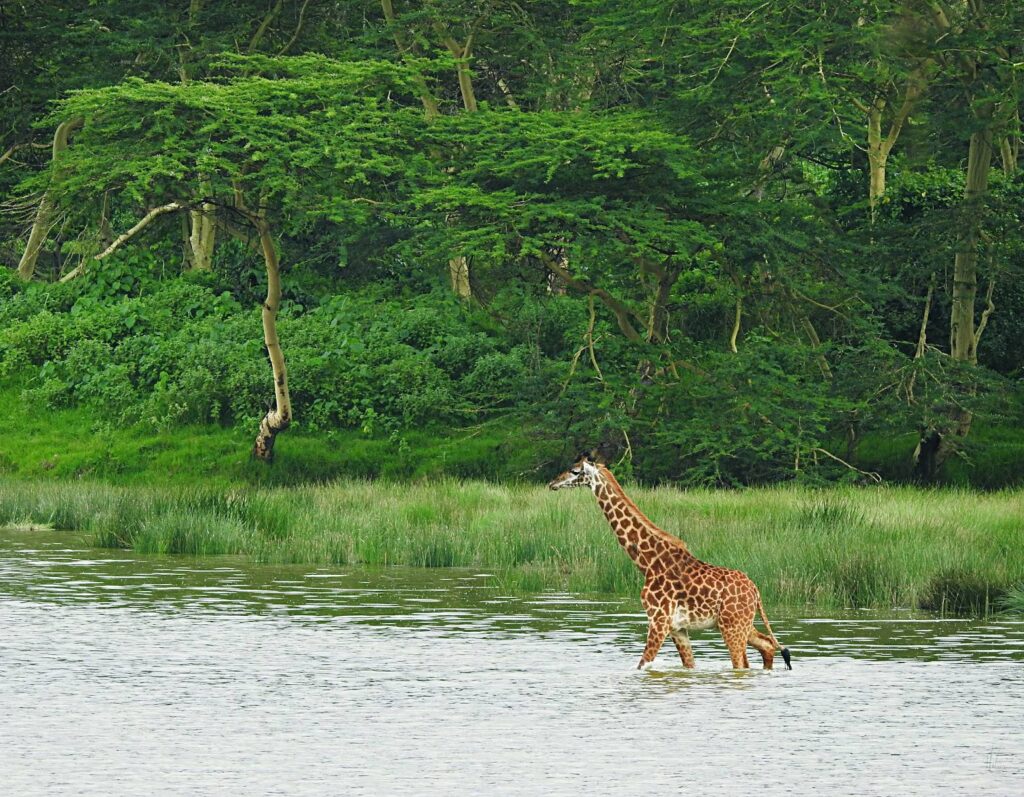
Overview Arusha National Park is a scenic and diverse conservation area, offering a unique blend of landscapes and wildlife within a compact setting. Although smaller than most national parks in Tanzania, it is renowned for its dramatic scenery, rich birdlife, and proximity to Arusha town, making it an ideal introduction or conclusion to a northern Tanzania safari. Location The park is located in northern Tanzania, approximately 40 kilometers northeast of Arusha, between Mount Meru and Mount Kilimanjaro. Covering an area of about 552 square kilometers, Arusha National Park is easily accessible by road from Arusha and Kilimanjaro International Airport, making it one of the most convenient parks to visit. Landscape and Ecosystem Arusha National Park features a remarkable diversity of ecosystems, including montane forests, open savannah, alpine moorlands, and crater lakes. The park is dominated by Mount Meru, Tanzania’s second-highest peak, whose slopes support lush forests and alpine vegetation. The Momella Lakes, a series of shallow alkaline lakes, are a key feature and attract a wide variety of birdlife. Wildlife While the park does not host large predators such as lions, it supports a variety of wildlife including giraffes, buffaloes, zebras, warthogs, waterbucks, bushbucks, blue monkeys, and black-and-white colobus monkeys. Arusha National Park is particularly famous for its primates and birdlife, with over 400 bird species recorded. Activities Arusha National Park offers a range of activities not commonly available in other parks, including guided walking safaris, canoeing on the Momella Lakes, game drives, and mountain trekking on Mount Meru. These activities provide visitors with a more intimate and varied safari experience. Best Time to Visit The park can be visited throughout the year. The dry season (June to October) is ideal for wildlife viewing and walking safaris, while the green season (November to May) offers lush scenery, fewer visitors, and excellent birdwatching opportunities.
Lake Manyara National Park
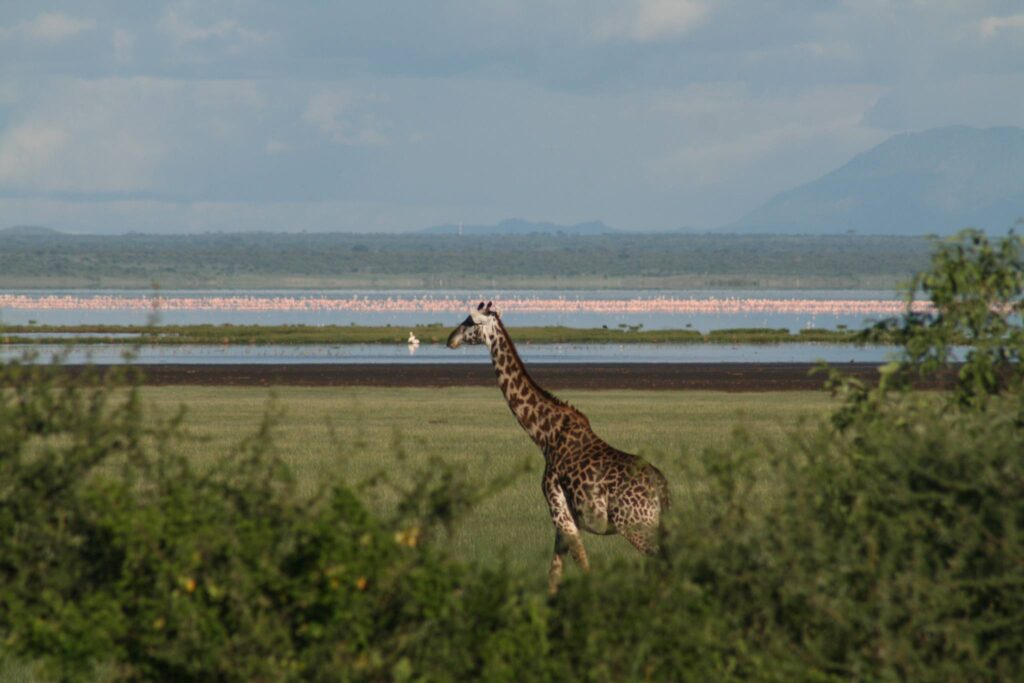
Overview Lake Manyara National Park is a compact yet remarkably diverse wildlife destination, renowned for its rich birdlife, lush groundwater forest, and scenic landscapes. Despite its relatively small size, the park offers a unique safari experience, combining forest, savannah, and lake ecosystems within a single protected area. Location The park is located in northern Tanzania, at the base of the Great Rift Valley escarpment, approximately 125 kilometers west of Arusha. Covering an area of about 330 square kilometers, the park lies between Arusha and the Ngorongoro Conservation Area, making it a convenient stop on Tanzania’s Northern Safari Circuit. Access is primarily by road, with nearby airstrips available for charter flights. Landscape and Ecosystem Lake Manyara National Park is characterized by a striking diversity of habitats, including dense groundwater forests fed by underground springs, open grasslands, acacia woodlands, hot springs, and the shallow alkaline Lake Manyara, which occupies a significant portion of the park. The dramatic Rift Valley escarpment provides a stunning backdrop and contributes to the park’s unique ecological balance. Wildlife The park is famous for its tree-climbing lions, though sightings are seasonal and not guaranteed. Other wildlife includes elephants, giraffes, buffaloes, zebras, wildebeest, hippos, baboons, and blue monkeys. Lake Manyara is also one of Tanzania’s premier birding destinations, with over 400 bird species, including large flocks of flamingos, pelicans, cormorants, and storks. Activities Safari activities in Lake Manyara National Park include guided game drives, birdwatching, photographic safaris, and canoeing on Lake Manyara (seasonal and water-level dependent). The park also offers opportunities for guided nature walks in designated areas, providing a closer look at its diverse flora and smaller wildlife. Best Time to Visit Lake Manyara National Park can be visited year-round. The dry season (June to October) is ideal for general wildlife viewing, while the green season (November to May) brings lush vegetation, excellent birdlife, and migratory species, making it especially attractive to birdwatchers and photographers.
Ngorongoro Crater
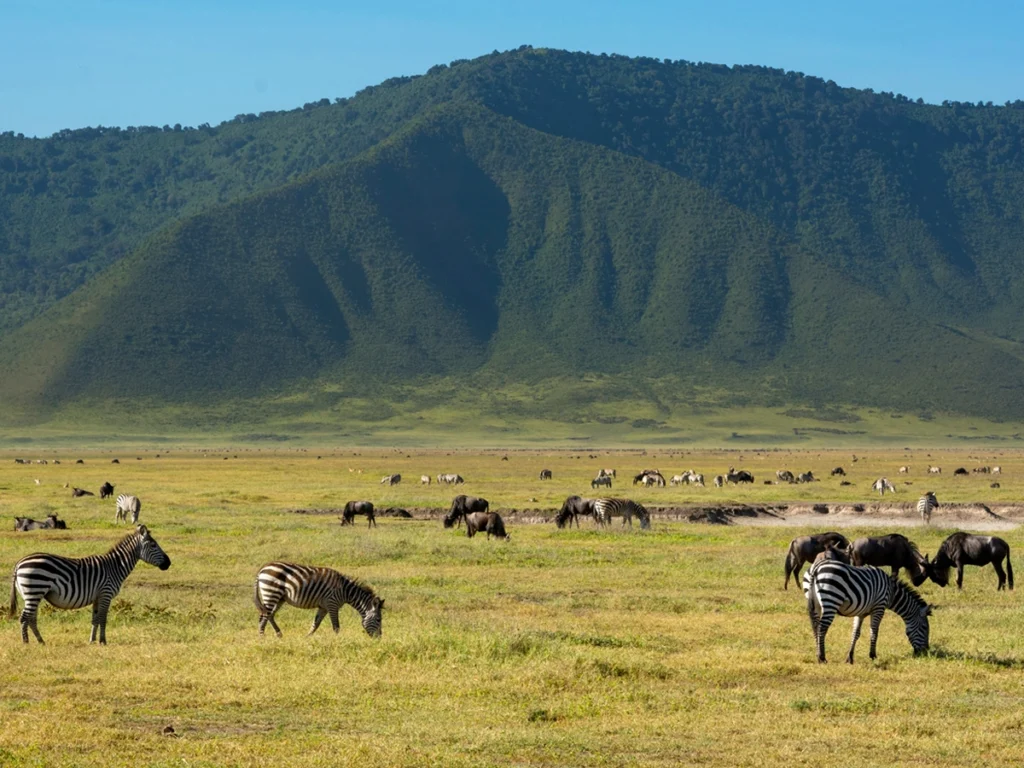
OverviewNgorongoro Crater is one of Africa’s most extraordinary natural wonders and a flagship attraction within the Ngorongoro Conservation Area. Formed millions of years ago following the collapse of a massive volcanic mountain, the crater is the world’s largest intact and unfilled volcanic caldera. It is a UNESCO World Heritage Site, celebrated for its remarkable scenery, high wildlife density, and unique conservation model where wildlife and local Maasai communities coexist. LocationThe Ngorongoro Crater is located in northern Tanzania, approximately 180 kilometers west of Arusha, within the Ngorongoro Conservation Area. The crater lies between the Serengeti plains and the Great Rift Valley, making it a key component of Tanzania’s Northern Safari Circuit. Access is via a well-maintained road from Arusha, with the crater rim rising to about 2,300 meters above sea level. Landscape and EcosystemThe crater measures about 19 kilometers in diameter and covers an area of approximately 260 square kilometers, with a floor lying 600 meters below the rim. Its ecosystem includes open grasslands, acacia forests, swamps, freshwater springs, and Lake Magadi, a shallow alkaline lake that attracts large flocks of flamingos. This self-contained environment supports a wide variety of wildlife throughout the year. WildlifeNgorongoro Crater boasts one of the highest concentrations of wildlife in Africa. It is one of the best places in Tanzania to see the Big Five, including the endangered black rhinoceros. Other commonly seen animals include lions, elephants, buffaloes, leopards, cheetahs, hippos, zebras, wildebeest, hyenas, and numerous antelope species. The crater also supports a rich birdlife, with over 500 bird species recorded. ActivitiesThe primary activity in Ngorongoro Crater is game drives on the crater floor, offering exceptional wildlife viewing in a compact area. Visitors can also enjoy scenic stops along the crater rim, guided nature walks in designated areas of the conservation area, cultural visits to nearby Maasai communities, and photographic safaris. Best Time to VisitNgorongoro Crater is a year-round safari destination, as wildlife remains within the crater throughout the year. The dry season (June to October) offers excellent visibility and comfortable conditions, while the green season (November to May) provides lush landscapes, fewer visitors, and excellent birdwatching opportunities.
Tarangire National Park
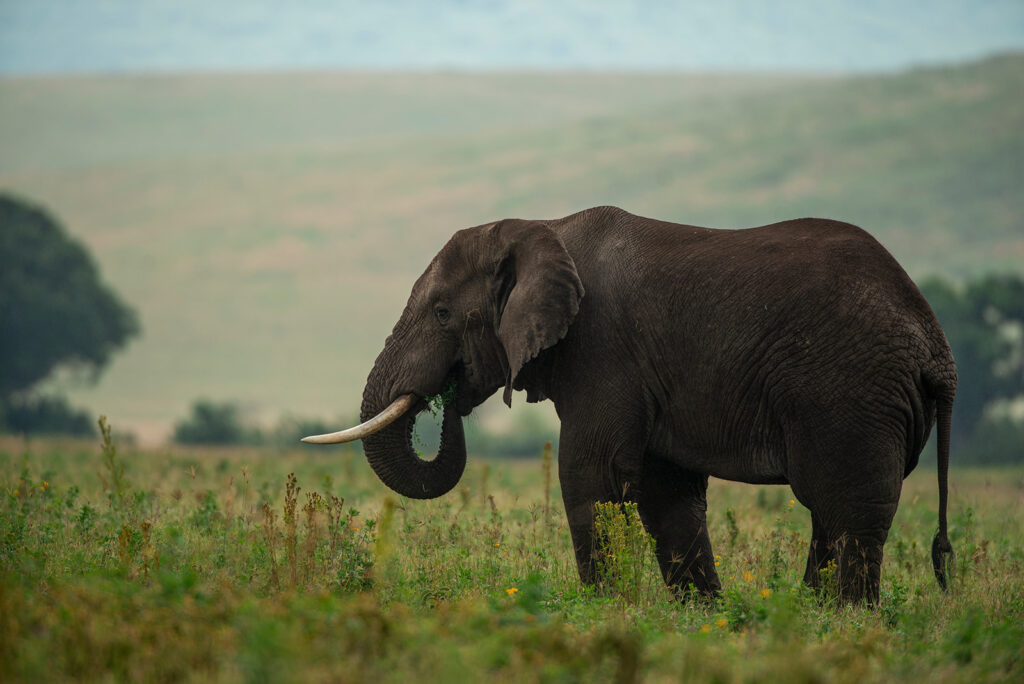
Overview Tarangire National Park is one of Tanzania’s most scenic and wildlife-rich national parks, renowned for its large elephant populations and iconic baobab trees. Although less crowded than other northern circuit parks, Tarangire offers exceptional game viewing, particularly during the dry season, making it an important and rewarding safari destination. Location The park is located in northern Tanzania, approximately 120 kilometers southwest of Arusha, and forms part of Tanzania’s popular Northern Safari Circuit. Tarangire National Park covers an area of about 2,850 square kilometers and is easily accessible by road from Arusha or Lake Manyara, as well as by chartered flights to nearby airstrips. Landscape and Ecosystem Tarangire National Park features a diverse landscape of rolling savannah, seasonal swamps, riverine forests, and vast stands of ancient baobab trees. The Tarangire River, which flows year-round, is the park’s lifeline and attracts large concentrations of wildlife during the dry season when surrounding areas become arid. Wildlife The park is especially famous for hosting some of the largest elephant herds in Tanzania, often seen in family groups along the riverbanks. Other commonly sighted wildlife includes lions, leopards, cheetahs, buffaloes, giraffes, zebras, wildebeest, elands, and hartebeest. Tarangire is also a birdwatcher’s paradise, with over 550 bird species recorded, including endemic and migratory species. Activities Safari activities in Tarangire National Park include guided game drives, walking safaris in designated areas, birdwatching, and photographic safaris. The park’s open landscapes and dramatic scenery provide excellent opportunities for wildlife photography, particularly at sunrise and sunset. Best Time to Visit The best time to visit Tarangire National Park is during the dry season (June to October), when wildlife congregates around the Tarangire River, offering outstanding game viewing. The green season (November to May) brings lush vegetation, fewer visitors, and excellent birdlife, making it ideal for photographers and nature enthusiasts.
Serengeti National Park
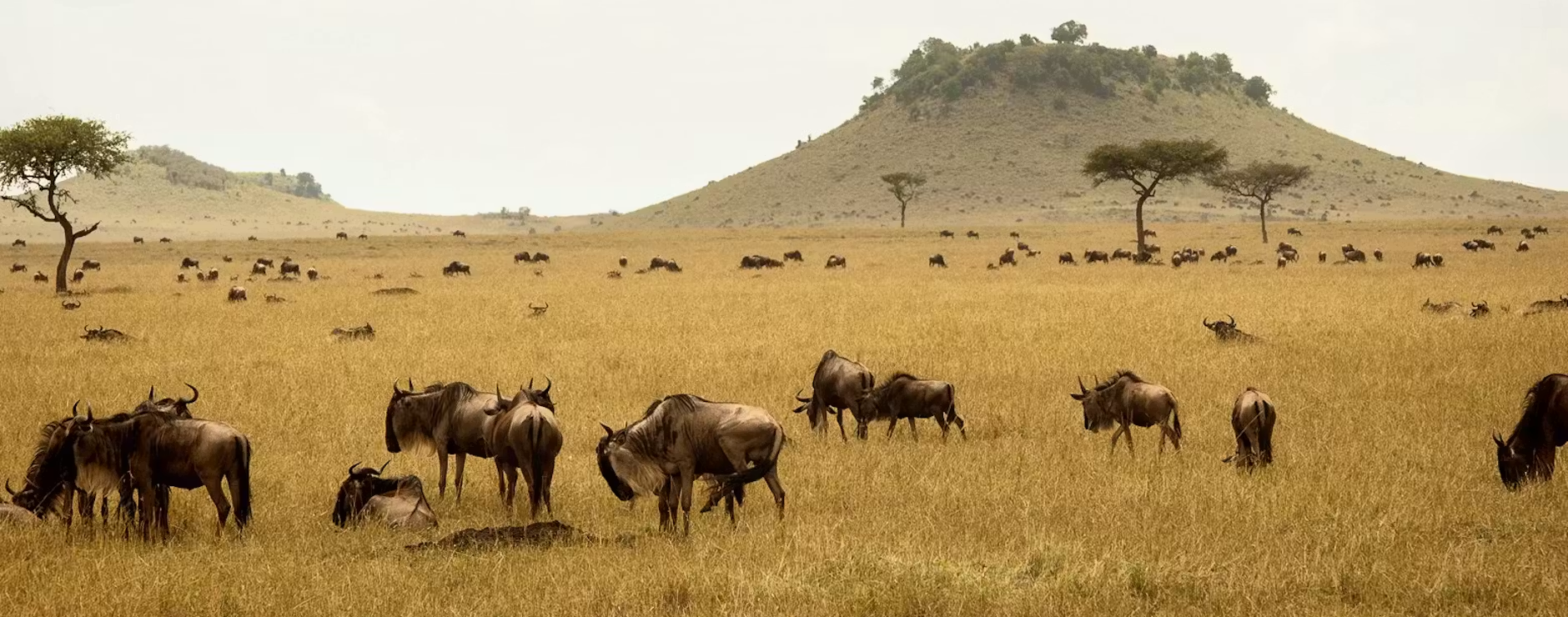
Overview Serengeti National Park is Tanzania’s most renowned wildlife conservation area and one of the most celebrated safari destinations in the world. Established in 1951, the park is a UNESCO World Heritage Site, recognized for its exceptional biodiversity, vast ecosystems, and ecological significance. The Serengeti is globally famous for the annual Great Wildebeest Migration, one of the largest and most dramatic wildlife movements on Earth. Location The park is located in northern Tanzania, extending across approximately 14,763 square kilometers. It borders the Ngorongoro Conservation Area to the southeast, Maswa Game Reserve to the south, Ikorongo and Grumeti Game Reserves to the west, and Kenya’s Maasai Mara National Reserve to the north. Serengeti National Park is accessible by road from Arusha or by scheduled and chartered flights to several airstrips within the park. Landscape and Ecosystem Serengeti National Park is characterized by expansive savannah plains, rolling grasslands, scattered acacia woodlands, riverine forests, and granite kopjes that provide natural habitats for a wide range of wildlife. The park’s diverse ecosystems support large herbivore populations and a high density of predators, making it one of the most rewarding safari environments in Africa. Wildlife The Serengeti is home to an exceptional variety of wildlife, including large populations of lions, leopards, cheetahs, elephants, buffaloes, giraffes, zebras, wildebeest, and hippos. It also supports over 500 bird species, making it a prime destination for birdwatching. The park offers excellent year-round game viewing, with seasonal highlights linked to migration patterns and breeding cycles. Activities Visitors to Serengeti National Park can enjoy a range of safari experiences, including guided game drives, hot air balloon safaris, walking safaris in designated areas, and photographic safaris. Accommodation options range from luxury lodges and tented camps to mobile camps that follow the migration, catering to different travel styles and budgets. Best Time to Visit Serengeti National Park is a year-round destination. The dry season (June to October) is ideal for general wildlife viewing, while the wet season (November to May) offers lush landscapes, fewer crowds, excellent birdlife, and the calving season in the southern Serengeti.